

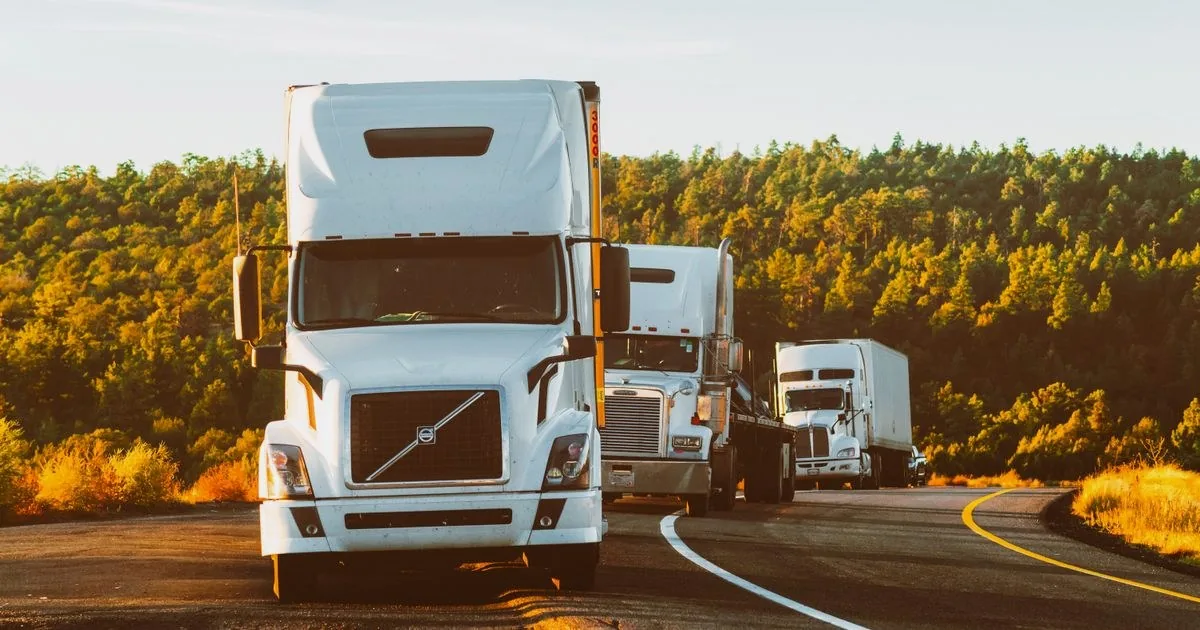
Free truck parking exists across Europe, but finding it takes local knowledge and timing. The best options include designated truck rest areas along motorways (common in Germany, France, and Spain), industrial zones on the outskirts of cities, and purpose-built Autohofs. Forget finding a free spot after 8 PM near major logistics hubs—you need to plan your stops hours in advance or know the lesser-known alternatives that working drivers actually use.

Country-by-Country Breakdown: Where Free Parking Actually Exists
Every European country handles truck parking differently. Some have invested heavily in rest area infrastructure. Others leave you scrambling for space in petrol station lots that fill up by dinnertime.
Germany operates around 1,500 rest areas on the Autobahn network, but chronic overcrowding means roughly 400,000 trucks compete for about 50,000 spaces nightly. The BAB rest areas (Rastplätze) are free, but the better-equipped Autohofs at motorway exits often charge €10–25 per night for secure parking with showers. Free spots at Autohofs exist but disappear fast. Your best bet for free parking? Industrial areas in cities like Duisburg, Dortmund, or Nuremberg—just check local signage for overnight restrictions.
France has approximately 450 rest areas on the autoroute network. Parking is free at Aires de Repos and Aires de Service, though the latter are operated by concession companies that may charge for amenities. The A1 between Paris and Lille, the A7 down to Marseille, and the A10 toward Bordeaux are notorious for filling up by 6 PM during peak periods. Lesser-used routes like the A20 through central France offer more availability.
Spain provides free rest areas called Áreas de Descanso along most autopistas. The catch? They’re basic—often just a parking space and a toilet. Fuel stations (Estaciones de Servicio) along the free autovías tolerate overnight parking if you buy something. The AP-7 along the Mediterranean coast and the AP-1 through the Basque Country have decent spacing between rest stops, typically every 30–50 km.
Poland has expanded its MOP (Miejsce Obsługi Podróżnych) network significantly. These motorway service areas are free and increasingly well-equipped, particularly along the A2 (Berlin-Warsaw corridor) and A4 (running east-west through Kraków). Quality varies wildly—some have full facilities, others are just gravel patches.
Italy operates Aree di Servizio along the autostrada, but they’re often cramped and expensive. Free parking exists at some industrial zones near logistics hubs like Verona, Bologna, and Piacenza, but municipal regulations can be strict. Check for truck-specific signage before settling in for the night.
Timing Your Stops: When Free Spaces Actually Open Up
The mathematics of truck parking in Europe work against anyone who plans stops at the last minute. Here’s what the data shows:
- Rest areas along major freight corridors (A2 in Germany, A1 in France, E40 through Belgium) reach 100% capacity by 7 PM on weekdays during peak logistics seasons.
- Sunday evenings are slightly better in countries with driving bans—Germany prohibits trucks over 7.5t from 0:00 to 22:00 on Sundays—but the window closes fast once restrictions lift.
- Winter months (November through February) see marginally more availability because freight volumes drop by 8–12% across most EU routes.
- Rest areas within 50 km of major ports (Rotterdam, Antwerp, Hamburg) fill earliest because drivers queue for morning delivery slots.
The smart approach? Stop early. A 4 PM arrival at a rest area might feel like wasted time, but it beats circling three packed parking lots at 9 PM with your driving hours running out. If you’re running EU driving time limits tight, check our guide to EC 561 regulations to understand exactly how much flexibility you have.
Apps and Tools That Actually Help Find Spots
Paper maps won’t cut it anymore. Several apps track real-time parking availability, though accuracy varies depending on who’s contributing data.
| App/Tool | Coverage | Cost | Reliability Rating |
|---|---|---|---|
| Truck Parking Europe | EU-wide | Free basic / Premium €4.99/month | Good for Western Europe |
| Trans.eu | EU-wide | Free | Strong in Eastern Europe |
| SNAP (SETPOS Network) | Germany, France, Benelux | Booking fees apply | Excellent for pre-booking |
| Bosch Secure Truck Parking | Selected locations | €15–30/night | Limited but reliable |
| Google Maps (Satellite view) | Global | Free | Good for scouting industrial areas |
Pro tip: combine apps with driver WhatsApp or Telegram groups for specific corridors. Other drivers sharing real-time updates on which rest areas are full beats any algorithm.
Hidden Spots: Where Experienced Drivers Actually Park
The rest areas listed in official directories represent maybe 60% of where trucks actually park overnight. The remaining spots require local knowledge.
Industrial estates often have wide roads and tolerate overnight parking, particularly in logistics-heavy regions. The areas around Venlo (Netherlands), Duisburg (Germany), and Zaragoza (Spain) have multiple informal truck parking zones near warehouses. Check for prohibition signs before settling in—some municipalities have cracked down with fines reaching €150 or more.
Supermarket distribution centres sometimes allow parking if you’re delivering there the next morning. Call ahead. A polite request explaining you’re arriving early for a delivery slot works more often than you’d expect.
Sports facilities with large car parks can work for single nights in smaller towns, especially outside of match days or event schedules. This isn’t officially sanctioned, but tolerance is common in rural France, Spain, and Portugal.
Port waiting areas at Dover, Calais, Rotterdam, and other major crossings have truck lanes that function as short-term parking. Not comfortable for a full rest period, but useful when timing ferry or Eurotunnel bookings.
Whatever your parking situation, make sure your tachograph records stay compliant with 2026 requirements—enforcement has increased and inspectors check rest period documentation more thoroughly than before.
Security Considerations: Free Doesn’t Mean Safe
Theft from trucks costs the European freight industry over €8 billion annually. Free, unsecured parking areas account for a disproportionate share of that figure.
High-risk areas include:
- Rest areas along the A16 near Calais and the Belgian border—organised gangs target this corridor specifically.
- Parking areas around major Spanish logistics hubs, particularly near Barcelona and Valencia.
- Isolated rest stops on the E55 through the Czech Republic toward Poland.
- UK service stations have improved somewhat, but Dover-area parking remains problematic.
Basic precautions make a real difference. Kingpin locks cost under €80 and stop opportunistic trailer theft. Parking with your doors against a wall or another truck limits access. Some drivers reverse into spaces to keep trailer doors less accessible. None of this is foolproof, but it shifts risk to easier targets.
If you’re spending significant time on cabotage runs or cross-trade operations, understanding current cabotage regulations helps you plan routes through areas with better parking infrastructure rather than getting stuck in regions you’re less familiar with.
What’s Changing: EU Parking Infrastructure by 2030
The European Commission’s review of the TEN-T regulation includes provisions for expanding secure truck parking. Targets call for certified parking areas every 100 km along the core network, though progress has been slow.
Germany launched a €100 million expansion program in 2023, adding approximately 3,000 new spaces by 2025. France has committed to similar investments through its autoroute concession renewals. Whether these numbers actually materialise remains to be seen—previous infrastructure promises haven’t always delivered.
Private operators like Bosch, SNAP, and Truck Etape are filling gaps with paid secure facilities. These typically run €15–30 per night but include CCTV, fencing, and sometimes driver amenities. The economics make sense if you’re carrying high-value cargo or operating in theft-prone corridors.
Frequently Asked Questions
Can I sleep in my truck cab at any rest area in Europe?
Legally, yes—sleeping in your cab during mandatory rest periods is permitted across EU member states. The weekly 45-hour rest rules require adequate accommodation (not the cab) for regular weekly rest, but daily rest and reduced weekly rest can be taken in the vehicle if it has suitable sleeping facilities. Some local municipalities restrict overnight parking regardless of EU transport law, so check signage at each location.
Which country has the most free truck parking spaces in Europe?
Germany has the highest absolute number, with approximately 50,000 designated truck parking spaces across Autobahn rest areas and Autohofs. France comes second with around 30,000 spaces. However, both countries also have the highest demand, so availability remains the real issue rather than raw capacity.
How early should I arrive at a rest area to guarantee a free spot?
Along major corridors like the A1/E19 through Belgium, the A2 in Germany, or the A7 south of Paris, arriving by 5 PM gives you reasonable odds during peak periods. By 8 PM, most well-located rest areas are full. In quieter regions or on secondary routes, you have more flexibility—arrival by 7 PM typically works.
Are there apps that show real-time truck parking availability?
Several apps provide estimates, including Truck Parking Europe and Trans.eu, but real-time accuracy depends on other drivers reporting. The SNAP network offers actual reservation systems for participating locations in Germany, France, and Benelux, giving you confirmed availability rather than estimates. Expect to pay booking fees for guaranteed spaces.
What happens if I can’t find parking and my driving hours run out?
EC 561/2006 allows drivers to deviate from driving time rules to reach a suitable stopping place for vehicle or cargo safety—but you must note the reason on your tachograph printout or record. This exception isn’t meant for poor planning; it covers genuine emergencies. Repeated use of this provision raises questions during roadside inspections. The practical answer: plan stops with margins, not at the last minute.