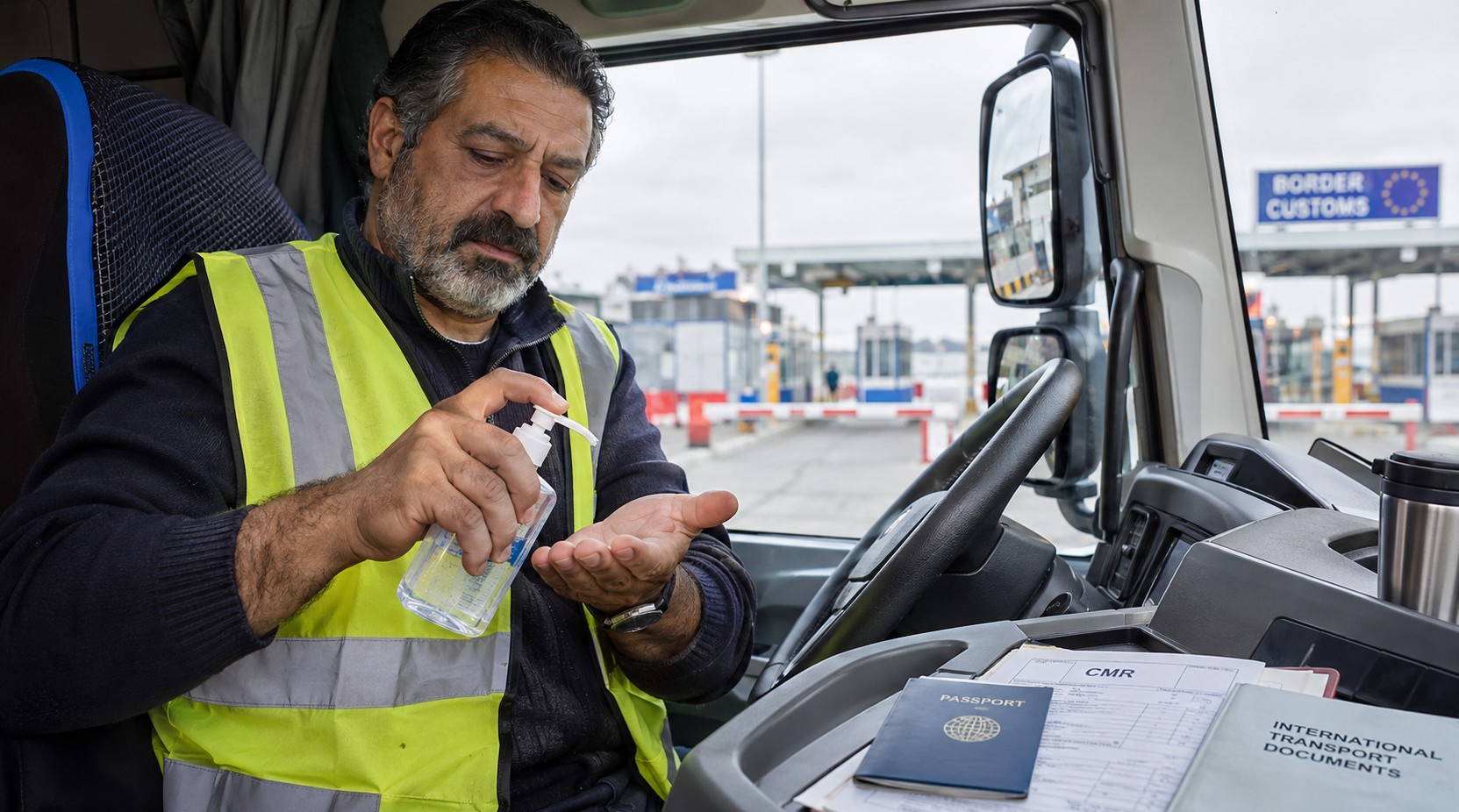
If you drive a 40-tonne lorry, the way your body produces and maintains energy actually matters as much as the workings of your vehicle. Many experienced drivers find that spending hours each day navigating across Europe, combined with sitting for long stretches and grabbing quick, carb-heavy snacks, starts a pattern of sugar surges and sudden drops in energy. Learning how your body transforms glucose into a reliable fuel supply is, without exaggeration, vital for staying alert behind the wheel, keeping your reactions sharp, and looking out for your long-term safety.
Introduction: Your body’s energy calibration system
The journey from food to energy begins as soon as you eat. Carbohydrates are quickly converted by your digestive system into blood sugar (glucose). That’s when the pancreas steps in, releasing insulin to help your muscles absorb this fuel. Normally, everyday movement (like getting up and walking) encourages muscles to take up glucose, even without insulin’s help. Unfortunately, driving long distances usually keeps you seated for extended periods, so this alternative glucose path sits idle. The result? Your body becomes almost entirely dependent on insulin for glucose disposal. If you spend too long this way, the number of glucose transporters (GLUT4) on your muscle cells decreases, and glucose lingers in the bloodstream much longer, which can actually lead to sudden sugar spikes and slowly wear down your metabolic health.
Understanding blood sugar spikes and energy crashes
It’s probably not surprising that grabbing a quick, starchy roadside meal can dramatically raise your blood sugar within as little as half an hour. That wouldn’t be so risky, but prolonged periods in the driver’s seat actually make it harder for your muscles to respond to insulin efficiently. To compensate, your body releases a surge of insulin, more than it really should.
The danger of reactive hypoglycaemia
Here is where things get tricky. That extra insulin can clear out glucose too quickly, leading to what’s known as reactive hypoglycaemia an hour or two later. If your blood sugar drops below 3.9 mmol/L, the brain gets deprived of consistent fuel. When this happens, symptoms such as drowsiness, tremors, or even sluggish reactions can quickly appear.
Protecting your alertness
If you’ve ever felt your eyelids suddenly get heavy during a trip, you know these energy crashes can be dangerously unpredictable. In fact, this kind of fatigue doesn’t just feel unpleasant; it makes it much harder to make decisions and can even cause brief, involuntary lapses in attention. To help, it’s genuinely useful to focus on steady, lower-sugar foods and to take short, 3–5 minute walks after eating. Even a bit of movement activates muscle pathways that can help moderate your glucose levels.
Driving with diabetes: Protecting your health and licence
If you are dealing with diabetes or prediabetes as a professional driver, you already know how important it is to maintain steady blood sugar, not only to feel well but also to keep your medical licence secure.
European regulatory standards
The people responsible for driver health across the EU set rigorous standards under Directive 2006/126/EC for Group 2 drivers. They require you to keep your HbA1c levels around 59 mmol/mol (7.5%) and aim for fasting blood glucose within the 4–7 mmol/L range.
Practical management on the road
Several approaches can dramatically help you manage your condition and prevent sudden complications:
- Favor low glycaemic foods such as whole grains, rather than ultra-processed snacks that are convenient but less beneficial.
- Build in short walking breaks during your stops, even a few minutes helps muscles take up glucose without needing so much insulin.
- Keep thorough records of your blood glucose readings. These are not only useful for your own awareness but are also vital for renewal of your medical licence.
The glovebox emergency kit: Preventing hypoglycemia
For anyone driving long distances, but especially those managing glucose fluctuations, carrying a reliable safety kit in your cab is absolutely essential. Glovebox snacks are not a luxury, they’re your backup plan during unexpected traffic or delays.
Fast-acting glucose options
Whenever hypoglycemia symptoms appear, suddenly or subtly, you need carbohydrates that act almost immediately. Here are some trustworthy choices:
- Glucose tablets: Often considered the most effective, as they dissolve quickly and deliver a precise dose.
- Hard candies: Some drivers prefer these since they’re easy to source, but make sure they’re not sugar-free.
- Glucose gels: Deliver 15–20 grams of quick-absorbing carbohydrates in a form that barely takes up space in the glovebox.
Slow-release glucose options
To avoid a second drop later on, it’s wise to follow up with foods that provide a more sustained energy release. Consider these options to keep in your cab:
| Snack Type | Key Benefits | Storage Notes |
|---|---|---|
| Mixed nuts | Their high fibre and healthy fats help soften sugar spikes | Stay fresh for weeks, even at cab temperatures |
| Oat-based bars | Offer more gradually released carbohydrates | Look for bars with at least 3g fibre per serving |
| Dried fruit | Provide moderate sugar, especially when mixed with nuts | Store in airtight or resealable containers |
Keeping a small stock of these glovebox snacks means you can quickly respond to low blood sugar, and also avoid another crash soon after.
Modern technology in the cab: Portable glucometers and sensors
Today, keeping tabs on blood sugar while out on the road needn’t interrupt your trip. Compact Continuous Glucose Monitors (CGMs) like the Dexcom G6 and Abbott FreeStyle Libre use a sensor just beneath the skin, quietly tracking your glucose all day.
Seamless cab integration
Most current devices can send your real-time glucose values directly to your smartphone. With the right mounts in your cab, you can have readings in plain sight while driving. Automatic alerts warn you of rising or falling levels by sound or on-screen notification, so there’s no need to stop the truck or constantly use a finger-prick meter. That said, portable blood glucose meters remain reliable for spot checks when you are parked or resting.
Roadmap to our metabolic & diabetes guides
Our upcoming series is tailored for long-distance drivers looking for actionable, step-by-step strategies to manage blood sugar on European routes.
Upcoming driver resources
- 4.a Managing diabetes on long European routes: Detailed guidance on licensing and keeping cardiometabolic risks at bay.
- 4.b Recommended portable glucometers and sensors for the cab: How to choose Bluetooth-enabled devices for practical use in your lorry.
- 4.c Simple strategies to control blood sugar spikes after meals: Realistic ideas for portion control and better meal timing to reduce blood sugar spikes.
- 4.d Understanding insulin and preventing resistance: Simple explanations about insulin resistance and effective management tips.
- 4.e Emergency glovebox snacks for sudden sugar drops: Tips for building a lasting kit of glovebox snacks that handle everything from summer heat to winter cold.
The Marco Polo Mobile guarantee: Passed through the ‘cabin test’
Each metabolic tip you’ll find here is specifically designed to work in the real daily life of a driver, requiring no awkward equipment or practices that break regulations.
Operational feasibility
Our editorial approach insists that every recommendation meets what we consider the “Cabin Test”: it’s doable inside the cab, fits into official driving and rest schedules, and involves basics that are easy to get at most roadside petrol stations. Regulatory compliance is always a top priority, and we favour easy micro-exercises, like fitting a brief walk into your official break or using widely available food items for your safety plan.
Frequently asked questions (FAQ)
Understanding your metabolic health
Why does sitting for 9 hours make my blood sugar levels spike more easily?
Sitting for prolonged periods basically “turns off” the muscle mechanisms (GLUT4) that normally help to absorb glucose after meals. Since you miss out on these helpful muscle contractions, glucose remains in the blood longer, increasing the likelihood of post-meal spikes and reducing insulin’s effectiveness over time.
What should I keep in my glovebox to quickly fix a sudden blood sugar drop while driving?
To quickly restore low blood sugar, keep suitable glucose sources at hand. Glucose tablets, jelly babies, or glucose gels work well. These provide about 15–20 grams of fast-absorbing carbohydrate, enough for most drivers in the event of a drop.
Are continuous glucose sensors (arm patches) suitable for long-haul truck drivers?
Absolutely. Continuous glucose monitors worn on the arm are an excellent choice for drivers. They deliver real-time feedback and useful alerts for sudden highs or lows, which means you don’t need to use a finger-prick meter frequently, making them convenient and helpful for maintaining glycaemic control while on the road.
Will having diabetes or prediabetes affect my professional driver medical clearance in Europe?
Drivers are required to declare diabetes under EU regulations for Group 2 licences. If you can demonstrate stable blood glucose and avoid serious hypoglycaemic episodes, you can maintain your licence. Prediabetes typically isn’t an obstacle to clearance unless complications arise.
Join the connected driver community
What do you rely on to keep your energy stable during those demanding shifts, or which snack feels indispensable in your cab? Your advice in the comments could really make a difference for someone else.
If you’ve found particular non-perishable snacks or have created a simple habit for energy stability, sharing your experience can guide other drivers. Your approach to meal timing or use of wearable trackers helps us all build a stronger and better-informed driving community along Europe’s busy roads.
Important medical notice
MEDICAL DISCLAIMER: The information in this article is meant for education and general guidance, not as a substitute for personal medical advice, diagnosis, or treatment. Always speak with your doctor or a qualified healthcare provider regarding any question about your health.
Ensuring steady energy when you’re behind the wheel is not only about comfort; it’s about professionalism and safety. By understanding how glucose processing works and using practical, cabin-friendly strategies, drivers can avoid the exhausting cycle of fatigue after meals.
Keeping your cab stocked with quick-response snacks, using modern monitoring devices, and taking thoughtful rest breaks really can transform your metabolic health. These habits help preserve your health, keep your licence, and most importantly, ensure you stay safe on the road.