

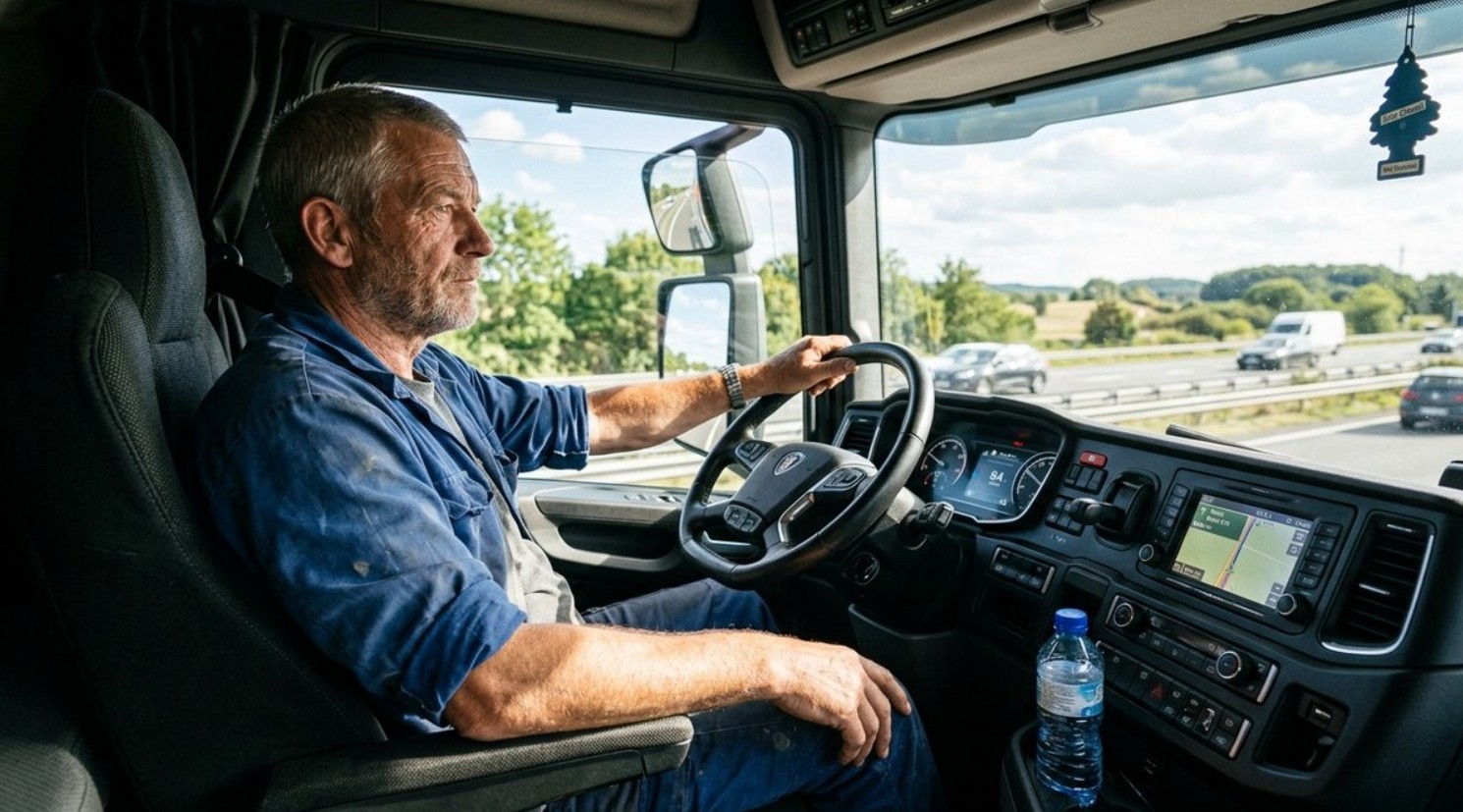
The summer sun across Europe brings a steady challenge for professional drivers, who regularly find themselves navigating not only highways but also a range of subtle health threats intensified by long hours in the cabin. In these conditions, the combination of continuous UV radiation, powerful air conditioning, and ongoing compliance with tachograph regulations generates more than simple discomfort. Seasoned drivers understand that protecting focus, skin health, and well-being means employing several practical, sometimes overlooked, strategies that extend far beyond simply opening the window.
The ‘Trucker’s Arm’ trap: Why cabin glass isn’t enough
The hidden danger of tempered side windows
Why does the left side burn with the window up?
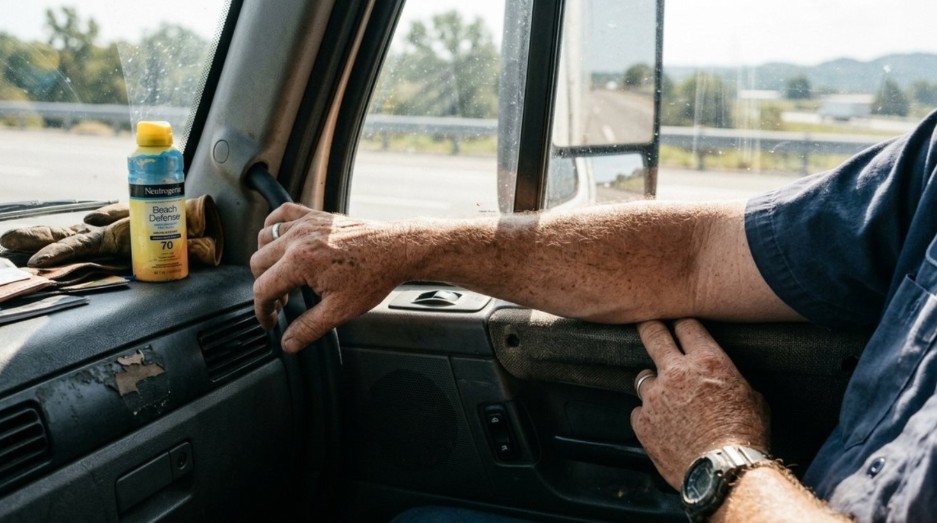
Most drivers are surprised by how easily UVA rays pass through their side windows. These windows, built from tempered glass, do not include protective plastic layers and, as a result, may allow over half of UVA rays to enter the cabin. The close proximity of a driver’s left arm to the glass means there is a real risk of long-term, one-sided exposure. Those who spend years behind the wheel often notice deeper wrinkles and increased skin discoloration on one side, and medical reports confirm a higher chance of certain skin cancers in these individuals.
Fortunately, addressing this risk is straightforward. Sunscreen, preferably a non-greasy SPF 30 or higher, is widely available, including at roadside retailers such as Lidl or Kaufland, making it easy to keep within reach. Practically speaking, just a few seconds of daily application before departure can make a significant difference in reducing skin damage over the years.
Mastering hydration without ruining your driving rhythm
The 50+ thirst delay
How much water should drivers drink per hour?
As individuals age, the body’s natural signals for thirst diminish. For drivers beyond 50, relying solely on thirst as a guide is risky, because dehydration starts before the sensation is even noticed and can subtly impair both reaction times and alertness, key factors for staying safe on the road.
Staying consistently hydrated is certainly the most reliable method for maintaining sharp reflexes, and here, using regulated tachograph breaks as hydration reminders proves sensible. Instead of drinking large amounts infrequently, which often leads to unnecessary stops, a much more effective approach involves sipping water regularly throughout the hour. For example, aiming for 8-10 small sips, totaling around 125-156 milliliters per hour, keeps hydration stable without disruption.
- Drink a full glass of water during each compulsory 45-minute rest to restore balance.
- Keep a bottle labeled with volume measurements within arm’s reach and use traffic pauses as a reminder to drink.
- Check urine color now and then; a pale, straw-like hue generally indicates proper hydration.
- It is helpful to use phone alarms that correspond with tachograph breaks, so you never forget.
The gas station traps: Drinks to avoid in summer
The energy crash reality
It can be extremely tempting to grab a sweet iced coffee or an energy drink when fatigue creeps in during a long summer drive. However, drivers quickly discover that these drinks, packed with sugar, actually speed up dehydration by drawing water out of body tissues. As a result, not only does the immediate thirst worsen, but symptoms like dry mouth and headaches often appear shortly after consumption.
Beyond discomfort, these high-sugar options cause blood sugar spikes leading to drops in concentration and noticeable drowsiness, a dangerous combination at the wheel. Furthermore, insulin surges caused by these beverages contribute to fluid imbalance and brief increases in blood pressure.
| Beverage Type | Average Sugar Content (g/L) | Impact on driver health |
|---|---|---|
| Energy drinks | 90 – 110 g/L | Severe energy crashes, dehydration |
| Popular sodas | 106 – 118 g/L | Blood pressure spikes, fatigue |
| Commercial iced coffees | 100 – 120 g/L | Osmotic dehydration, headaches |
Choosing water, or possibly unsweetened black coffee, avoids these rapid changes in physiology, enabling drivers to maintain consistent attention and well-being.

Defeating the cabin A/C air dryness
Practical relief for eyes and skin
A familiar challenge during summer is the effect of strong air conditioning within cabins. Constant cooling dries out the air, resulting in irritated eyes and sometimes uncomfortable, cracked skin. Experienced drivers, who are mindful of these subtle but recurring problems, take a two-pronged approach to solve them.
First, maintaining internal hydration is essential, but there is also value in external routines. Many drivers benefit from applying fragrance-free moisturizers that create a gentle protective layer. Quick relief can also come from using alcohol-free wet wipes, especially during brief stops. Some prefer to use preservative-free eye drops, helping prevent the eyes from becoming overly tired, while others keep a stick of lip balm close at hand against dry lips. Simple measures like wearing loose cotton clothing and angling air vents away from the face further help protect sensitive skin.
- Preservative-free lubricating drops can ease the sensation of eye dryness.
- Non-petroleum lip balms reduce discomfort caused by cracked lips.
- Clothing made of cotton helps the skin keep its natural moisture level.
- Positioning air vents carefully limits direct airflow to the face.
Each journey across Europe builds a reputation for dedication, and these details often separate accomplished professionals from inexperienced drivers. By incorporating straightforward, time-tested habits like regular sunscreen use or measured water intake, professionals reinforce their own safety as well as the trust placed in them by loved ones and clients alike.
Remaining alert and prioritizing personal health may sound simple, but they are actually two of the most important aspects of every long-distance trip. Taking these measures to heart, drivers preserve not only their readiness for the next assignment but also their well-being for those who wait for them at home.